Who Isn’t a Good Candidate for a Permanent Lip Treatment?
Getting PMU lips is not safe for you if you:
- Are under 18
- Are pregnant or nursing
- Are undergoing chemotherapy
- Have hemophilia
- Have major heart problems or a pacemaker
- Have had an organ transplant
- Have uncontrolled high blood pressure
- Have diabetes (consult your doctor, it may be possible)
- Have psoriasis, eczema, rosacea, or another skin condition in the area
- Have an auto-immune disease (consult your doctor, it may be possible)
- Have anemia (pigment may not be retained properly)
- Have a history of keloid scarring or hypertrophic scarring
- Have a history of cold sores
- Take blood-thinning medication
- Take Accutane or steroids
WHAT ARE THE BENEFITS OF LIP NEUTRALISATION?
Lip neutralisation has many benefits for those who decide to take the plunge. Most obviously, it creates lighter, pinker-looking lips, meaning the amount of time spent applying lipstick, lipliner and lip-gloss to the area is significantly reduced.
The treatment can also boost pigmentation in dark or ageing lips, enhance lip symmetry and colour-correct scarring. It is also a brilliant technique for creating fuller-looking lips without the use of injectables or surgery.
Is the PMU Lips Treatment Painful?
The lip area is very sensitive and having a needle pierce your lips over and over might sound a bit scary. However, a numbing cream is applied before the needling starts in order to eliminate the pain. Most clients report that it’s uncomfortable, but not painful.
WHAT TO EXPECT FROM A LIP NEUTRALISATION PROCEDURE?
As lip neutralisation can be a complex procedure, only to be performed by specialised technicians, the treatment is often broken down into 2-4 sessions. We have explored the details of each session below.
FIRST STAGE: CONSULTATION
It is always important for a client to attend an initial consultation with their chosen practitioner. This allows both sides to truly understand what the client hopes to achieve from the treatment. It is also a chance for the practitioner to explain exactly how the process works, and what the client can expect by the end of the entire course.
SECOND STAGE: FIRST SESSION
During the first session, a neutralising pigment is injected into the area to correct the cool tones in the lips. Blue shades are neutralised using an orange-based pigment, and yellow ink is used to balance purple tones.
THIRD STAGE: SECOND AND THIRD SESSIONS
Unlike the lip blush technique, it may take 1-3 sessions of lip neutralisation to achieve the desired result. Each session is scheduled at least six weeks apart and the practitioner should adjust their technique to meet individual requirements.
FOURTH STAGE: LIP BLUSH
Once the lips have been neutralised and made a few shades lighter, a client is then able to undergo a lip blush treatment if desired. This means that they can choose a specific colour to inject into the lip area to create a fuller, pinker-looking pout.
LIP NEUTRALISATION TREATMENT PREPARATION
How Do I Prepare for Lip Neutralisation Treatment?
Though lip neutralisation is a fairly low-risk procedure, there are some circumstances in which the treatment should be avoided. These include:
- If you are pregnant or nursing.
- If you are taking blood-thinning medication.
- If you suffer from cold sores.
Before booking in for any semi-permanent makeup procedure, it is always a good idea to check in with your practitioner to assess any potential risks.
For optimal results, make sure you do the following prior to any procedure:
Exfoliate the lips for three days before your procedure.
For 48 hours before your appointment, make sure to avoid any type of blood thinner. These include alcohol, coffee, ibuprofen, Tylenol, aspirin, and fish oil.
It is vital to take anti-viral medication before your procedure if you’re prone to cold sores. They can appear due to the trauma of tattooing and affect the healing process.
If you have any conditions or diseases, consult your doctor and check if you are a candidate for the lip treatment. Do not have Anti-Wrinkle Injections or fillers at least 6 weeks before the treatment
POTENTIAL SIDE EFFECTS OF LIP NEUTRALISATION
Most side effects associated with lip neutralisation are mild. Most clients will experience some degree of swelling and increased redness. Some clients may suffer bruising around the area, although this is less common.
LIP NEUTRALISATION AFTERCARE
Following your lip neutralisation procedure, it is important to adhere to the instructions provided by your technician. During the first few days after your procedure, the lip area may experience a little discomfort and swelling. However, this should subside within a few days.
For the first four to eight hours following your procedure, you may want to apply an ice pack for ten to fifteen minutes at a time to reduce any swelling and discomfort.
If scabs begin to appear, do not pick, scratch, or rub the treated area. Certain balms or creams can be used to ease discomfort or irritation. However, always consult with your technician on the best options. Avoid using soap, cleansing products or makeup on the affected area for at least seven days following the treatment.
AVOiD:
- Extreme exercise, swimming in pools or the ocean, saunas and steam baths – anything that causes excessive sweating and getting the treated area soaking wet
- Tanning in the sun or a sunbed
- Makeup in the area
- Touching the area
- Spicy food
There are 2 general types of aftercare – dry and wet healing – the second one being more popular.
Dry Healing
Basically, you have to keep your lips dry – no getting them wet, no products of any kind. You just let them heal on their own.
This may sound easy since you don’t need to do anything at all, but without any moisturization, your lips scab more and thus lose more pigment, plus they can feel tight and itchy. That’s why dry healing isn’t very popular anymore.
Wet Healing
Wet healing implies blotting away the lymph from the treated area as frequently as your artist prescribes for 3-5 days after the procedure, and keeping the lips moisturized with a special aftercare ointment that aids healing until the peeling ends. Sticking to the schedule may be a bit annoying, but it’ll give more even results and better retention.
Can I Wear Makeup After the Lip Neutralisation Treatment?
You mustn’t wear lip makeup until the scabbing or peeling stage is over – you risk getting an infection.
Once all the scabs have fallen off, you can wear lip makeup as usual, although you won’t need to enhance the color anymore.
It’s a good idea to get fresh products, as the ones you used before may be contaminated with bacteria your freshly treated lips may not be able to handle.
How Long Does the Lip Neutralisation Healing Process Last?
Flakiness should begin on 3-4 day and start to subside after a week or so. As it heals, it can start start itching. Be patient – don’t scratch, pick, scrab or stretch the scabs. Otherwise, you can run the risk of opening a wound and becoming your lips infected.


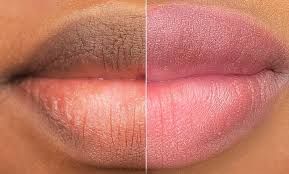 At Vivacious, we believe that beauty is an ever-evolving canvas, and sometimes, you might want to redefine your natural features. If you’re considering a subtle yet impactful change to your appearance, our Lip Neutralization services offer a solution that emphasizes your unique beauty.